
Analytics that answer the only question that matters
Most marketing reports cannot answer what the money produced. GA4 was installed by whoever built the site, the conversion event fires on a page view, calls are not tracked at all, and the monthly deck leads with sessions because sessions is the number that went up. Ask which channel produced last month’s best customer and the room goes quiet.
We rebuild the measurement first: conversions that represent real leads, calls attributed to the campaign that caused them, GA4 and the ad platforms telling the same story, and one report a month that a finance person could interrogate without it falling apart. Then every other decision gets easier, because you are optimizing against something true.

Six things that have to be right before reporting means anything
We find at least two of these broken on almost every account we inherit. They are also the cheapest things to fix. If the site itself is the bottleneck, start with website optimization.
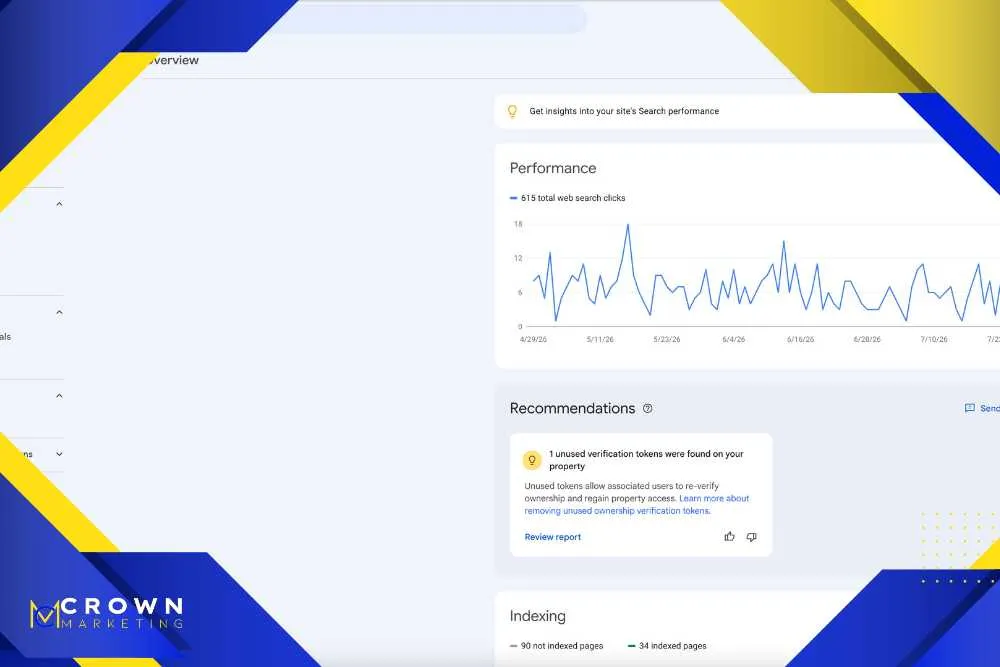
First, is a conversion actually a lead?
This is where most audits end early. We check that every conversion event in GA4 and the ad platforms corresponds to something a human would call a lead, and that the counts match your inbox and your CRM. It is common to find page views, scroll depth or button clicks counted as conversions, which makes every downstream number fiction.
Then, where did it come from?
Calls are the blind spot. A service business can be taking sixty percent of its leads by phone with none of them attributed, which makes paid search look expensive and SEO look useless. Dynamic call tracking closes that gap, and it is usually the single highest value thing we install.
Then, what did it turn into?
A lead is not revenue. Where the CRM allows it we push outcomes back into the ad platforms and analytics so you can see cost per customer, not just cost per lead. That one change often reverses which channel looks best.
One report, same shape, every month
Spend, leads, cost per lead, what changed, what is next. Same layout each month so you can compare at a glance, with a written note from the person who did the work. Dashboards nobody opens are not reporting, they are decoration.
The uncomfortable numbers stay in
If a channel had a bad month it is in the report with an explanation. Agencies that only surface what looks good train clients to stop trusting the reporting, and then nobody can make a decision with it.
Then you can safely optimize
Once the measurement holds up, the rest of the work gets much cheaper. You know which campaigns to cut, which pages to fix, and which channel deserves the next dollar. Without it, every optimization is a guess wearing a chart.
Recent reading from our team
Written by our team, not spun by a tool. Everything we publish is something we do for clients.