
AI consulting that begins with where your team loses hours
Most companies bought AI tools before they had a problem to point them at. A few subscriptions, a handful of people using them privately, no measurable change, and a quiet suspicion that everyone else is getting more out of this than you are. Usually they are not.
We start with a time audit rather than a tool demo. Where the hours actually go, which of those tasks are repetitive and rule bound enough to automate, what your data and existing software will realistically support, and what should stay with a person. Then a prioritized list, ordered by hours returned against effort. Sometimes the honest answer is a better template and a fixed process, and we will say so.
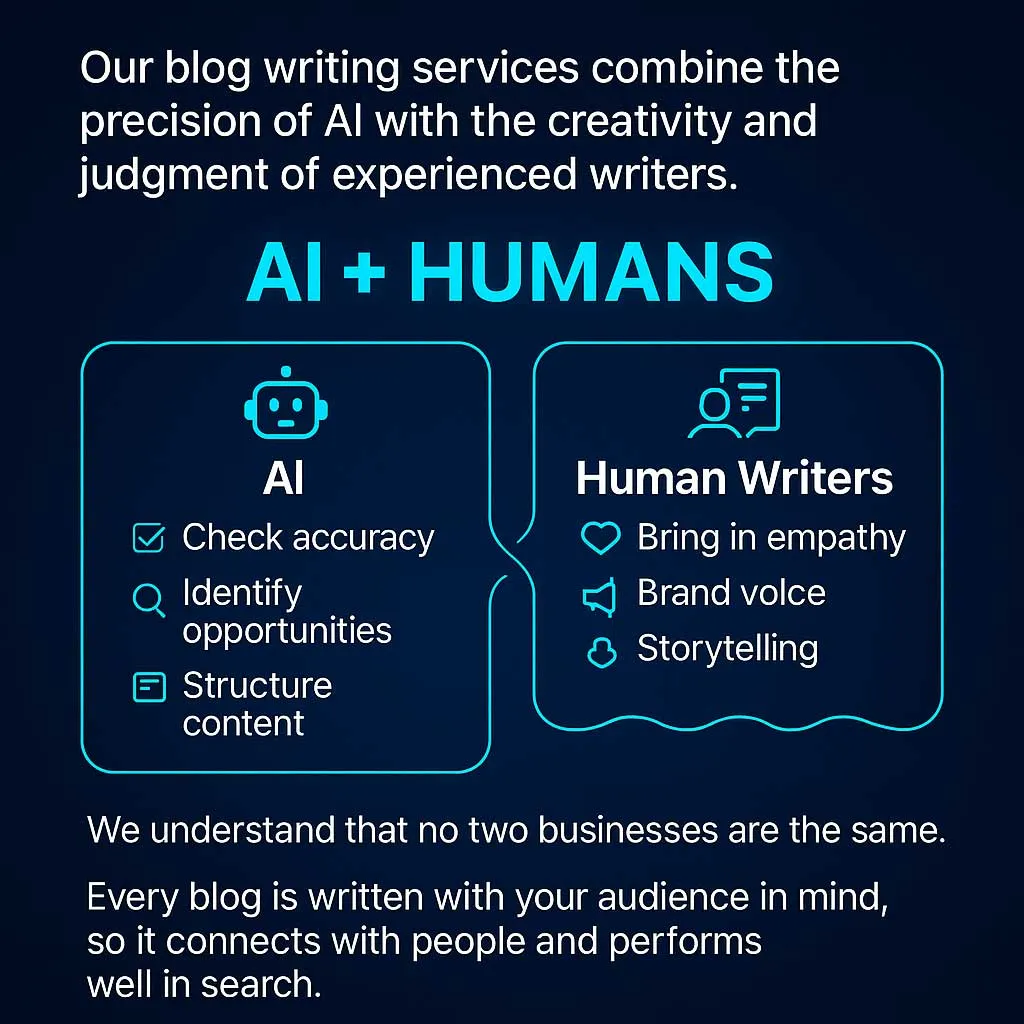

The question is not which model
It is which task your team does the same way forty times a month. That is where automation pays, and answering it requires looking at how people actually spend their week rather than reading about capabilities. We start there, every time.
Automate the rule bound, keep the judgment
Research, summarizing, first drafts, categorizing, routing and reporting automate well because the rules are stable and being slightly wrong is cheap. Pricing, positioning, anything client facing and anything where confident error is expensive stay with people. Drawing that line correctly matters far more than the tooling.
Check what you already own
Companies routinely buy an AI product to do something their existing CRM, office suite or marketing platform already does. Part of the audit is an inventory of current subscriptions and what they now include, which regularly finds both a capability and a saving.
Policy before deployment
What may go into a public model, what must be reviewed, and who owns the output. Without that written down, either people paste client data into consumer tools or they avoid the tools entirely out of caution. Both outcomes are bad and both are avoidable in an afternoon.
Sometimes the answer is not AI
A recurring finding is that a task is slow because the process is unclear, not because it lacks automation. A better template, a defined owner or a checklist solves it for nothing. We will tell you when that is the case, which is the main reason to hire an outside view rather than a vendor.
Then build the top two or three
Not fifteen. Pick the highest value use cases, build them properly, document them, and see what actually changed after a quarter. Broad rollouts of things nobody adopted are the most common way AI budgets get wasted.
Recent reading from our team
Written by our team, not spun by a tool. Everything we publish is something we do for clients.