Woman-Owned & Veteran-Owned40+ Years Combined ExperienceLas Vegas, NevadaNo Contracts, Ever

Web & Digital Services Company

AI Integration Services For Marketing And Operations

AI Integration Services For Marketing And Operations2026-09-17T23:49:02+00:00

AI integration that removes work, not judgment

The gap between companies that got real value out of AI and companies that got a subscription is almost never the model. It is whether anyone rebuilt a process around it. A tool nobody adopted, content nobody edited, and a chatbot that annoys customers are all the same failure: automation bolted onto a workflow that was never examined.

We start with where your team actually loses hours, then automate the parts that are repetitive and rule bound and leave the parts that need judgment to people. That usually means research, drafting, summarizing, routing and reporting. It also means making sure AI systems can find and cite you correctly, because a growing share of buyers now ask a model before they ask Google.
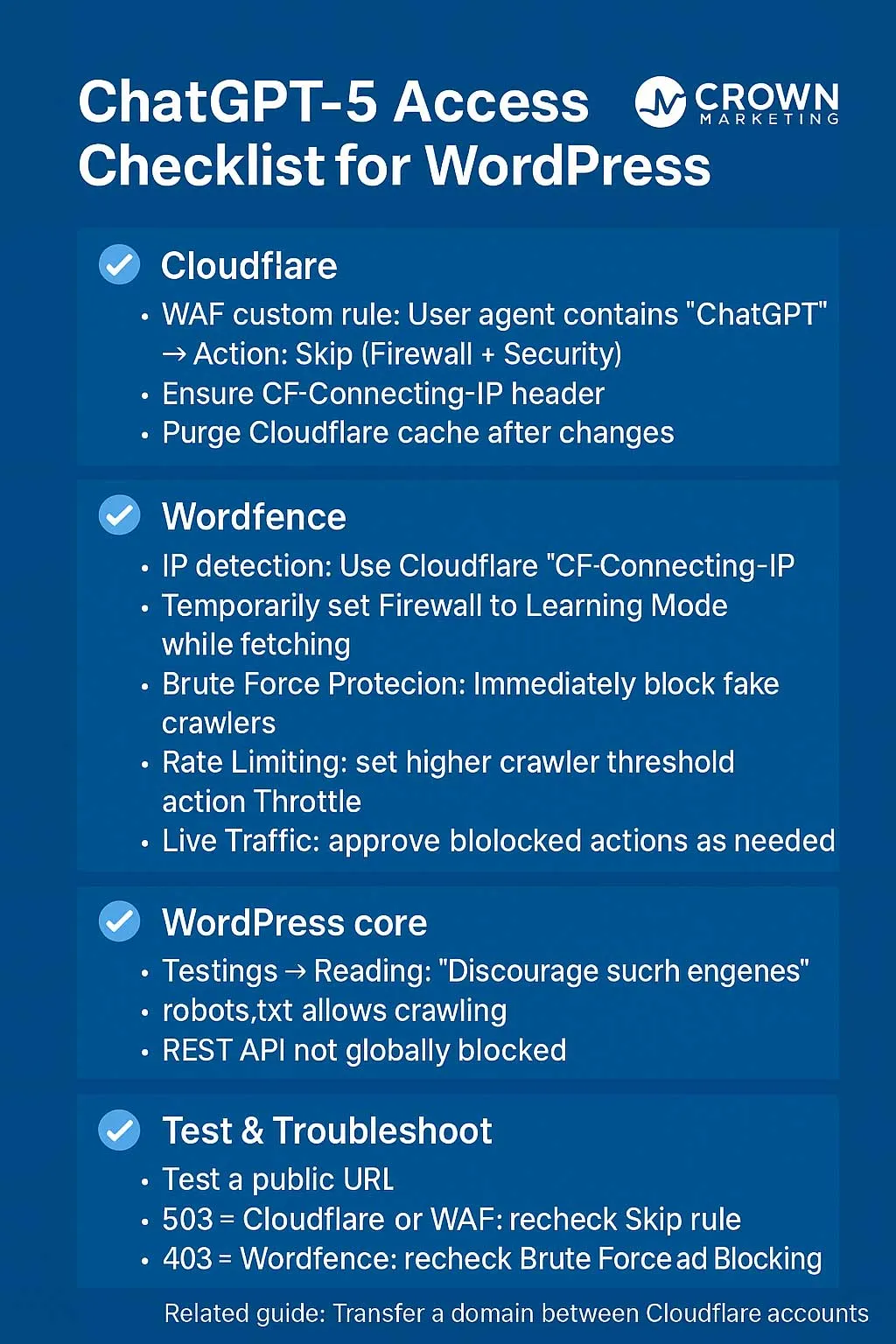
Configuring a WordPress site so AI systems can read and cite it correctly

Six places AI earns its keep in a marketing team

None of these replace a person. All of them give a small team the output of a larger one.

AI Readiness Audit

Where the hours actually go, which of them are rule bound enough to automate, and what your data and tools will realistically support. Usually the answer is smaller and more boring than the pitch decks suggest.

  • Time and task audit first
  • Honest about what will not work
  • Prioritized by hours returned

Workflow Automation

The repeatable chain of steps between a lead arriving and someone acting on it, or between a draft and a published page. Built once, monitored, and documented so it survives someone leaving.

  • Built on tools you already pay for
  • Documented, not a black box
  • Monitored, with a fallback

AI Search Visibility

Being cited in AI answers is becoming its own channel, with its own rules. Structured data, clear entity signals and content written to be quotable rather than merely ranked.

  • Schema and entity signals
  • Content built to be cited
  • Tracked across AI answers

Content Systems With Human Review

AI is genuinely good at research, outlines and first drafts, and genuinely bad at judgment and specificity. We build the system that uses it for the first and keeps a person on the second.

  • Drafting sped up, not outsourced
  • Human edits every publish
  • Brand voice held in the system

Chatbots And Lead Capture

A bot that answers real questions from your own material and hands off cleanly to a human is useful. One that loops a frustrated buyer through a decision tree costs you the sale.

  • Trained on your material
  • Handoff to a human, fast
  • Captures the lead either way

Guardrails And Team Training

What may be pasted into a public model, what has to be reviewed, who is accountable for output. Most AI failures inside companies are policy failures, not technical ones.

  • Written usage policy
  • Training for the team
  • Review steps that stick

What AI integration should look like in a real business

We use these tools every day on our own work. Here is what has actually held up.

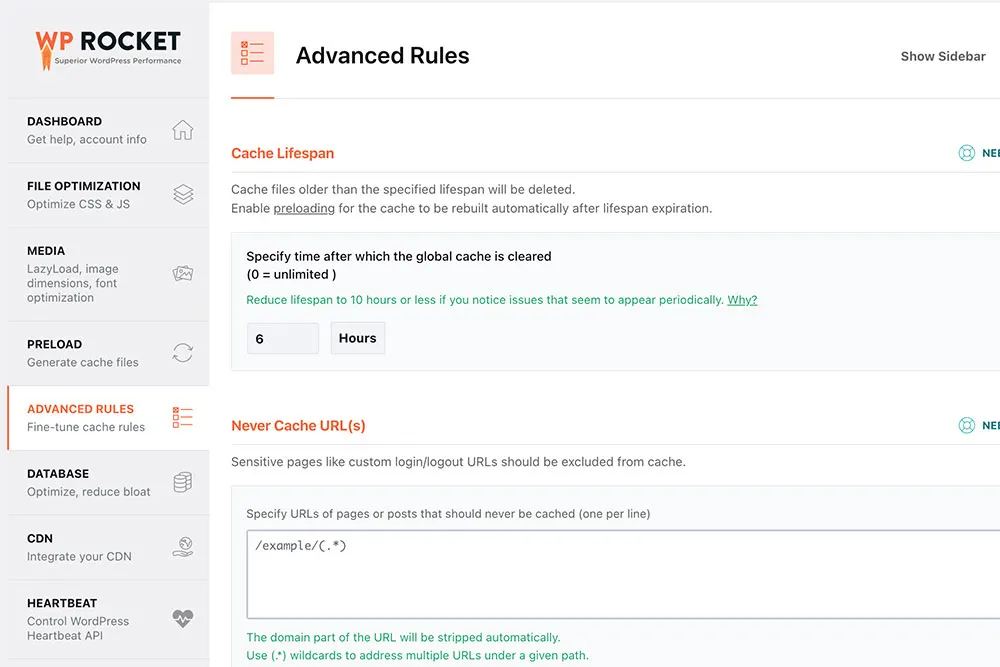
Setting up AI access and guardrails for a client website

Start with the hours, not the tools

The useful question is not which model to use. It is which task your team does the same way forty times a month. That is where automation pays. We map it first, and quite often the answer is a better template and a fixed process, with no AI involved at all. We will tell you when that is the case.

Automate the rule bound, keep the judgment

Research, summarizing, first drafts, categorizing, routing and reporting automate well because the rules are stable. Pricing decisions, positioning, anything client facing, and anything where being confidently wrong is expensive stay with a person. The line matters more than the technology.

Nothing publishes without a human reading it

We use AI in our own content work and we say so. Every piece is rewritten, fact checked and given an actual argument by someone on our team before it goes out in a client’s name. Unedited output reads like unedited output, and buyers notice faster than anyone expects.

AI search is a real channel now

A growing share of buyers ask a model before they run a search. Getting cited depends on things you can control: structured data, unambiguous entity signals, content written in a way that is easy to quote, and consistent information about your business across the web. It is close to technical SEO, and it is early enough to be worth doing now.

Build on tools you already have

Most of what companies want is achievable with the software already on the invoice, plus a little connective work. We would rather wire together what you own than add another subscription with another login and another thing to renew.

Document it so it survives

An automation only one person understands is a liability. Everything we build gets written down: what it does, what it touches, how to turn it off, and what breaks if the tool changes its pricing next year.
Why clients stay with us

We are a small team on purpose, and we use these tools on our own work before we recommend them to anyone.

  • Two owners on your account, every month, for the life of the engagement
  • Every AI assisted deliverable reviewed by a human before it ships
  • 40+ years of combined experience across marketing, web and operations
  • Built on the tools you already own wherever possible
  • Month to month, no long term contracts and no AI hype tax

Case Study

Webster & Garino LLC

An Indiana law firm with an established brand and almost no organic presence. We rebuilt the site on WordPress, produced content and video at volume, fixed the technical foundation and built a real internal linking strategy.

+2,000%
Website traffic
+90%
Conversions

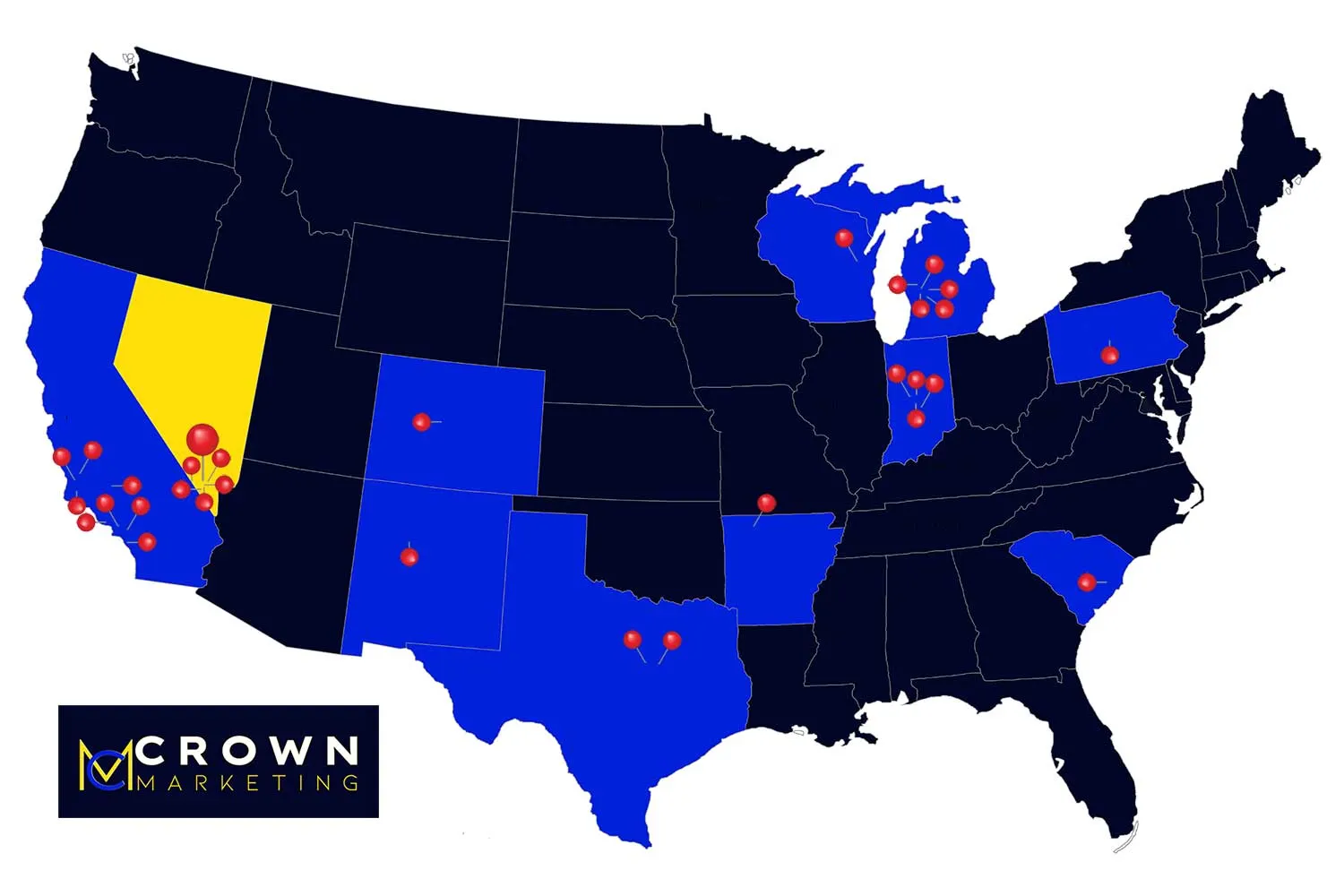
Clients across the country, and the reviews to back it up

Every review is from a real client and every pin is a real market. We are based in Las Vegas and we run campaigns for clients in cities all over the country. The signals search engines read are the same everywhere, so the playbook travels.

Map of the United States showing the markets Crown Marketing runs local SEO campaigns in

Frequently asked questions about AI integration

The things people ask on the first call, answered before you make it.

No, and the companies acting as if it will are producing work that shows it. What AI changes is throughput. A two person team can now do what took four, provided somebody is still making the decisions. The judgment, the positioning and the accountability do not automate.
We use it for research, outlines and first drafts, and a person on our team rewrites and fact checks every piece before it publishes. We will always tell you where it was used. What we will not do is ship generated text in your name and call it writing.
It is being cited when someone asks ChatGPT, Gemini or an AI overview about your category instead of running a normal search. It matters now for research heavy and considered purchases, and it is growing. The work overlaps heavily with good technical SEO, so it is rarely a wasted investment either way.
It depends entirely on which tools and which settings, and it is the part most companies skip. Part of what we set up is a written policy on what may go into a public model, what stays internal, and which accounts have the right data controls turned on.
An audit is a fixed fee. Build work is quoted by scope, and it is usually smaller than expected because most of it is connecting software you already pay for. If the honest answer is that a fixed process would solve it without AI, that is what we will recommend.
Only if it can answer real questions from your own material and hand off to a person quickly. A bot that traps a ready to buy customer in a decision tree is worse than no bot. For most service businesses, faster response to a form is a better investment than a chatbot.
Yes. Practical sessions on the tools your team will actually use, with the guardrails and review steps written down. Training without a policy tends to fade in a month, so we do both together.
We document what each automation touches and keep a manual fallback for anything business critical. Building on the tools you already own reduces the exposure, but this is a real risk in this space and pretending otherwise would be dishonest.
With the audit, almost always. It is the cheapest thing we sell, it produces a prioritized list of where the hours are going, and it tells you whether this is worth pursuing at all before you spend on building anything.
Go to Top