Sales funnels built around your buyer, not a template
Funnel has become a word that mostly means someone sold you a landing page and an email sequence. The useful version is simpler: a deliberate path from the first time somebody hears about you to the moment they are ready to talk, with each step designed to earn the next one and nothing in it that exists because a template said so.
We map how your buyers actually decide, from your sales team rather than from a course. Then we build the shortest path that works: the offer, where the traffic comes from, the page, the follow up, and the measurement that shows where people are dropping. Usually it has fewer steps than what you were sold before.
Start from real deals, not a diagram
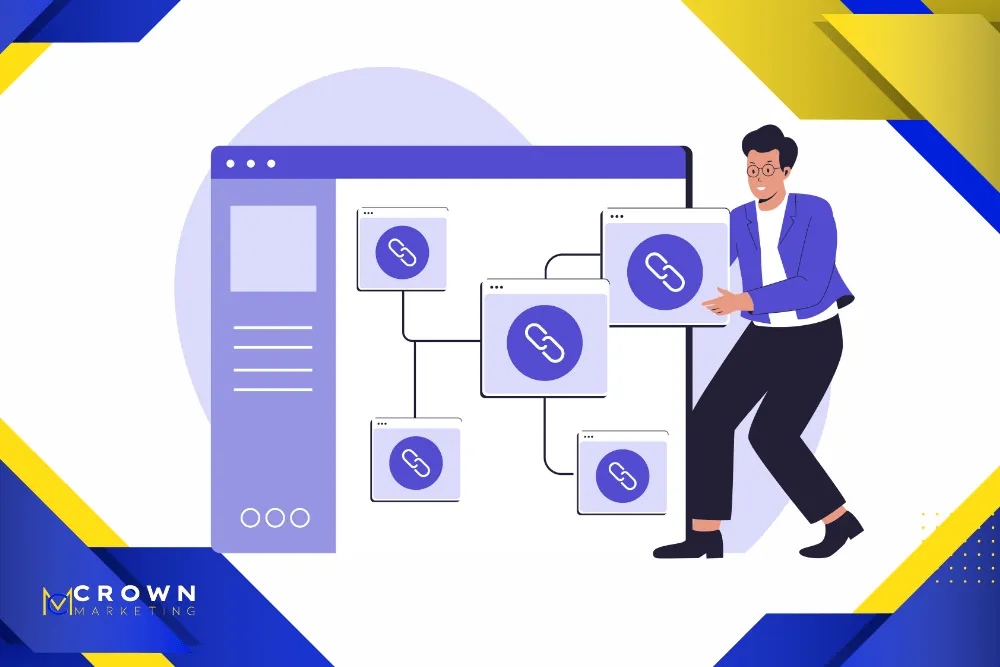
We go through recent won and lost deals with your team. Where did they first hear about you, what did they look at, what nearly stopped them, how long did it take. That produces a map of how people actually buy from you, which is usually simpler and stranger than any standard funnel model.
Shorter is almost always better
For a service business where someone is already searching, the honest funnel is a page and a phone call. Adding a webinar, a tripwire and a five email indoctrination sequence to that adds friction and loses people. We add steps only where the buyer genuinely needs more convincing than one page can carry.
The offer is the constraint
If nobody wants what you are trading for their contact details, no landing page saves it. We work on the offer first, test it small, and only build the surrounding machinery once something is actually converting.
Different traffic needs different paths
Somebody who searched for your service is ready for a short path to a call. Somebody who saw a social ad while doing something else needs warming first. Running both into the same funnel means one of them is badly served, and it is usually the more valuable one.
Measure every step or you are guessing
Traffic to page, page to lead, lead to booked, booked to sold. When those are visible the fix is obvious, and it is almost never where people assume. More than half the funnels we are asked to improve turn out to have their worst leak after the form, not before it.
Fix the worst step, then re measure
Funnel work is iterative and boring. Find the largest drop off, fix that one thing, measure again. Rebuilding everything at once means you learn nothing about what actually worked.
Recent reading from our team
Written by our team, not spun by a tool. Everything we publish is something we do for clients.