B2B lead generation that produces opportunities, not contact counts
B2B lead generation has a volume problem and a quality problem, and most vendors solve the first one by making the second one worse. You get a list, a form fill count, and a sales team that quietly stops calling anything the marketing department sends them by the end of the quarter.
We build on channels you own. The people searching for what you sell, the visitors already on your site, and the accounts you actually want. Offers worth a business email address, pages that qualify while they convert, routing fast enough to matter, and nurture for the long cycle. Reported as cost per qualified opportunity, with qualified defined by your sales team.
Ask sales what a good lead looks like, first
An agency measured on form fills will produce form fills. So before anything is built we sit with your sales team and define what an opportunity actually is: company size, role, timing, budget signal. Then we tag against that and report on it, which makes our numbers look worse and your decisions better.
Intent beats interruption in B2B
The single highest quality source is someone searching for what you sell. Paid search buys that today, SEO earns it over years. Everything else, social, display, content, is a supporting layer. When budget is tight this is where it goes first and we will say so plainly.
The offer has to be worth a business email
The generic whitepaper stopped working some time ago. What still works is something with real utility: a calculator that gives them a number, a benchmark against their peers, a fixed scope assessment with a written output. If the offer is weak, no amount of landing page work rescues it.
Speed to lead decides more than targeting does
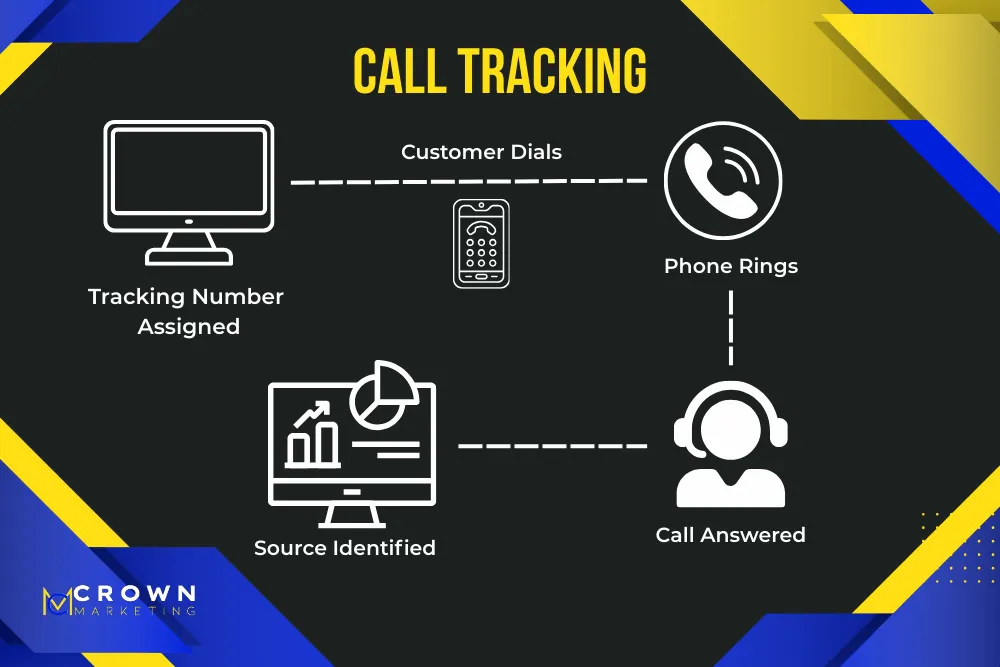
Response within minutes rather than hours changes conversion dramatically, and B2B teams are consistently slower than they think. Routing goes to a named person, on their phone, immediately, and we test that path every month because email delivery breaks silently.
Nurture across the whole cycle, not the first week
B2B buying takes months and involves several people who all have other jobs. A sequence that stays genuinely useful across that period keeps you present without your team chasing, and it is the difference between being remembered and being replaced by whoever emailed last.
Feed outcomes back into the system
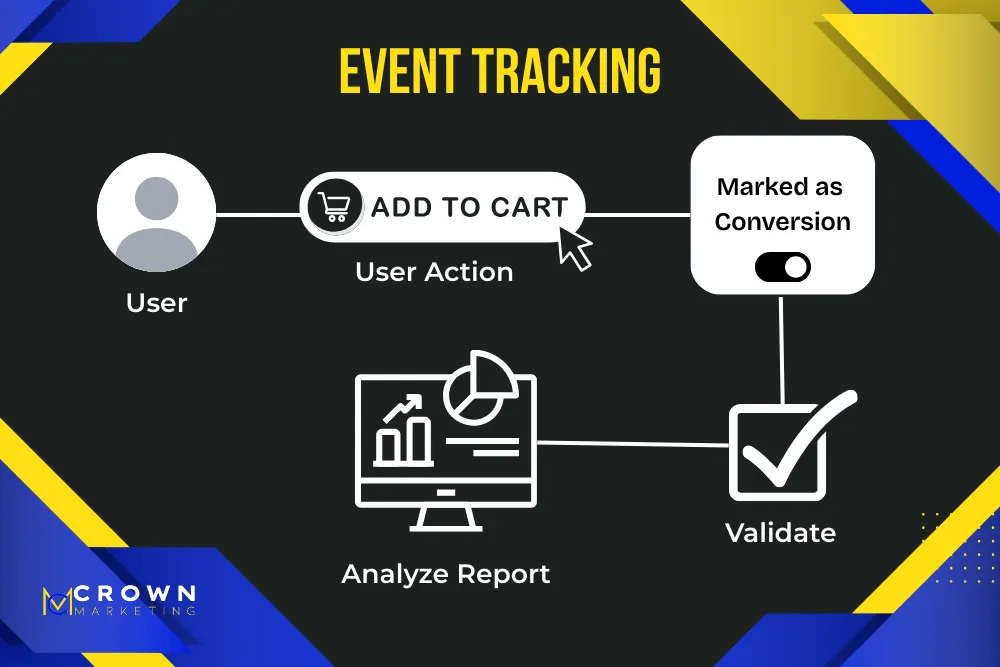
Where your CRM allows it, closed and lost outcomes go back into analytics and the ad platforms. That is what turns cost per lead into cost per customer, and it frequently reverses which channel looks best.
Recent reading from our team
Written by our team, not spun by a tool. Everything we publish is something we do for clients.