Woman-Owned & Veteran-Owned40+ Years Combined ExperienceLas Vegas, NevadaNo Contracts, Ever

Web & Digital Services Company

Content Strategy Services That Decide What To Publish

Content Strategy Services That Decide What To Publish2026-09-17T23:27:52+00:00

Content strategy that says what to write, in what order, and why

Most content calendars are a list of topics somebody found in a keyword tool, sorted by search volume. They produce traffic that never becomes a customer, because volume tells you how many people ask a question and nothing about whether asking it means they are close to buying.

A content strategy is a set of decisions: who we are writing for, which questions actually sit on the path to a sale, what clusters those questions form, what already exists that should be fixed rather than replaced, and what order to publish in. It takes two to three weeks, it is a fixed fee, and it is yours whether we write anything afterward or not.

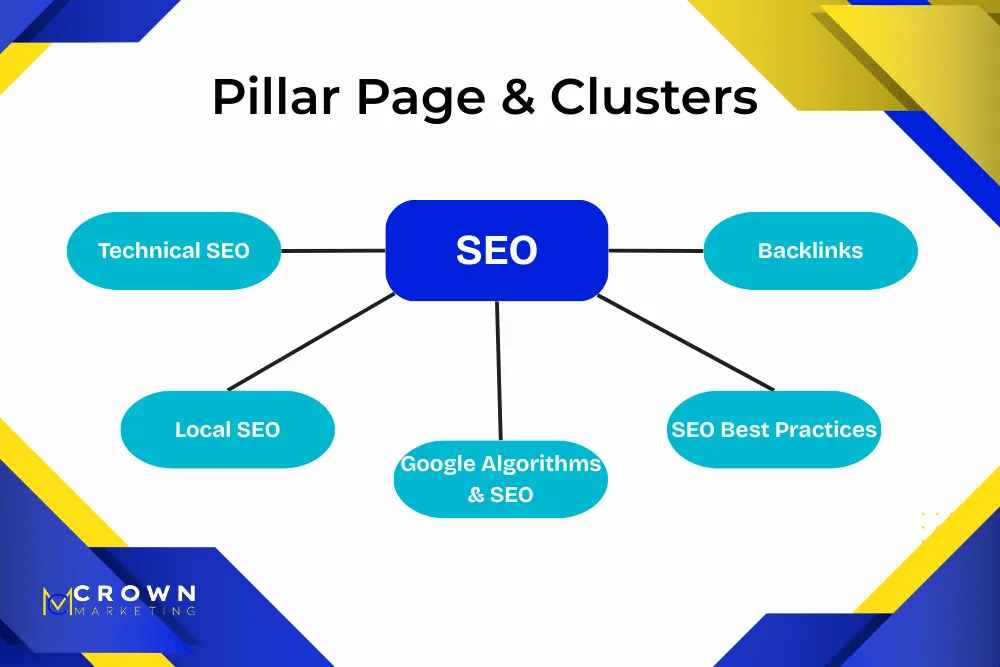
Mapping content clusters from buyer questions and search data

Six parts of a content strategy

The output is a document your team could hand to any writer and get the right pages back.

Buyer And Question Research

Interviews with your sales team, the questions they answer every week, and the objections that actually stall deals. This is where the good topics come from.

  • Sales team interviewed
  • Real objections captured
  • Buying stage mapped

Search And Competitor Data

What people search, what already ranks for it, and where the results are weak enough that a better page could win. Volume is a filter, not the source.

  • Volume and difficulty checked
  • Competing pages assessed
  • Gaps identified honestly

Audit Of What You Have

Most sites are sitting on pages one update away from ranking, plus a pile of thin posts dragging on everything else. Refresh, merge or remove, decided page by page.

  • Every page assessed
  • Refresh, merge or remove
  • Quick wins listed first

Topic Clusters

One strong page on a broad subject supported by specific pages underneath it, linked deliberately. Clusters out rank scattered posts and read better for humans.

  • Pillar and supporting pages
  • Internal links planned
  • Cannibalization prevented

Prioritized Publishing Plan

What to publish first, second and third, based on impact against effort, with the pages closest to a buying decision at the top rather than the easiest ones.

  • Ordered by likely return
  • Effort estimated honestly
  • Ready to hand to a writer

Briefs And Standards

Word count, angle, headings, internal links and the point each piece has to make. So that whoever writes it, in house or not, produces the same thing.

  • A brief per priority piece
  • Voice and standards documented
  • Measurement defined up front

How the strategy gets built

Two to three weeks, fixed fee, and the document is yours either way.

Auditing existing content before building a publishing plan

It starts with your sales team, not a tool

The most valuable content topics are almost always sitting in the questions your team answers on the phone every week. We interview them first. Then we go to search data to find out how many people are asking, which is a very different question from whether it matters.

Volume is the least useful signal

A term with two hundred searches a month from people ready to buy is worth more than one with twenty thousand from people writing a school project. We weight by buying intent first and volume second, which produces shorter lists and better returns.

Fix before you write

Almost every site we audit has pages sitting in positions eight to fifteen that a serious update would push onto page one, and a pile of thin posts diluting everything. Refreshing and consolidating is faster and cheaper than new writing, so it goes first in the plan.

Clusters, because Google reads structure

A pillar page on a broad topic supported by six specific pages that link to it and each other performs better than seven unrelated posts. It also reads better, because the visitor can follow a thread rather than landing on an orphan. Every plan we build is structured this way.

Write the brief, not just the title

A title on a calendar produces whatever the writer felt like that day. A brief with the angle, the audience, the headings, the internal links and the point the piece has to make produces the page the strategy needed. This is the part that makes in house writing work.

Set the measurement before publishing

Every piece gets a job: rank for this, answer this objection, support this pillar. That way three months later you can tell whether it did the job rather than looking at a traffic chart and guessing.

Why clients stay with us

We are a small team on purpose. The strategy is written by people who also run the campaigns it feeds.

  • Written by an owner, from interviews rather than a template
  • Fixed fee, and the document is yours whether we write the content or not
  • 40+ years of combined experience across content, SEO and paid
  • Built to be handed to any writer, including your own
  • No long term contract attached to the strategy

Case Study

Webster & Garino LLC

An Indiana law firm with an established brand and almost no organic presence. We rebuilt the site on WordPress, produced content and video at volume, fixed the technical foundation and built a real internal linking strategy.

+2,000%
Website traffic
+90%
Conversions

Clients across the country, and the reviews to back it up

Every review is from a real client and every pin is a real market. We are based in Las Vegas and we run campaigns for clients in cities all over the country. The signals search engines read are the same everywhere, so the playbook travels.

Map of the United States showing the markets Crown Marketing runs local SEO campaigns in

Frequently asked questions about content strategy

The things people ask on the first call, answered before you make it.

Two to three weeks, including sales team interviews, the content audit and the search research. Larger sites with hundreds of existing pages take longer because the audit is done properly rather than by a crawler alone.
A written document containing the audience and question research, the content audit with a keep, refresh, merge or remove decision for every page, the cluster map, a prioritized publishing plan and briefs for the first set of pieces.
That is exactly what it is built for. The briefs are detailed enough that a competent writer who knows your business can produce the right page without further direction from us.
No. A meaningful share of strategy clients take the document and execute it themselves or with an existing writer. If you do hire us to write, the strategy fee comes off the first month.
Usually less than people expect. Two to four substantial pieces a month plus refreshing what exists is the right pace for most businesses. Publishing volume stopped being a strategy some years ago.
Then the audit is the most valuable part of this for you. Thin, overlapping and outdated posts actively drag on the pages you care about. The plan will tell you which to update, which to merge and which to remove and redirect.
Impact against effort, with buying intent weighted heavily. Pages that catch people close to a decision go first even when the search volume is small, because they pay back fastest.
Yes. Service pages are usually the highest value content on the site and the least often revisited. The audit covers them and the plan frequently starts there rather than with the blog.
Once or twice a year, or when your services, market or competitors change meaningfully. The cluster map is durable. The publishing priorities shift as pages land and rankings move.
Go to Top